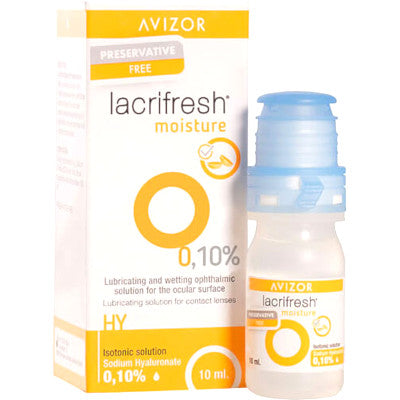
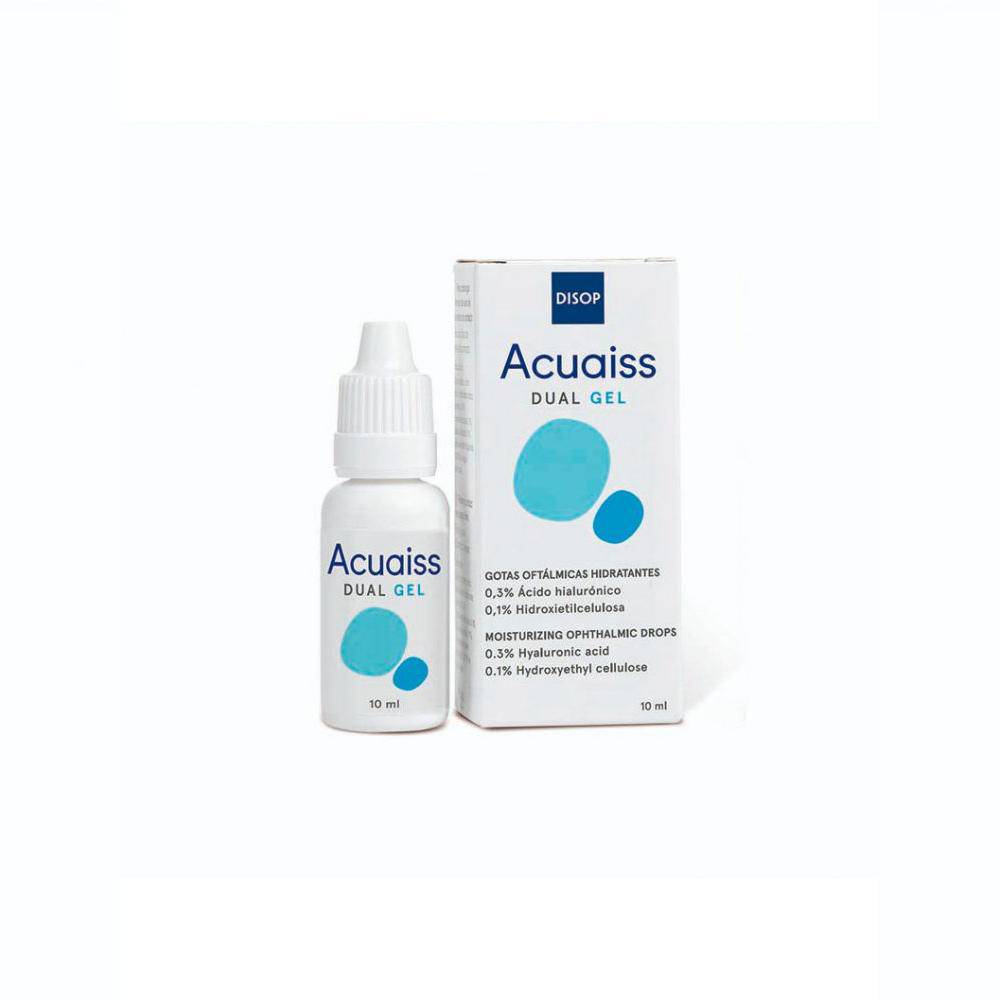
Dry eyes are a very common eye problem that affects people of all ages. They occur when the eyes do not produce enough tears or when tears evaporate too quickly, causing discomfort such as itchy eyes, stinging, irritated eyes, or a feeling of eye strain.
Fortunately, there are effective treatments and dry eye drops that help relieve symptoms and improve daily eye comfort.
What are dry eyes and why do they occur?
Dry eye syndrome occurs when the tear film fails to keep the ocular surface properly lubricated. This can be due to either a decrease in tear production or excessive evaporation, leading to persistent discomfort.
Causes and risk factors for dry eye
Lack of tear production
One of the most common causes of dry eyes is insufficient tear production, which can be related to various factors.
Aging and hormonal changes
With age, tear production naturally decreases. In women, hormonal changes associated with menopause can favor the appearance of dry and irritated eyes.
Autoimmune diseases
Conditions such as Sjögren's syndrome or other systemic diseases can directly affect the lacrimal glands, causing chronic dry eye.
Medication
The use of antihistamines, antidepressants, or blood pressure medications can reduce tear production and increase the sensation of tired or dry eyes.
Excessive tear evaporation
Meibomian gland dysfunction
These glands produce the lipid layer of tears. When they don't function properly, tears evaporate more quickly, causing eye stinging and irritation.
Environmental factors
Air conditioning, heating, wind, or dry environments promote tear evaporation and worsen the symptoms of irritated eyes.
Other associated factors
Most common dry eye symptoms
People with dry eyes may experience various symptoms, which vary in intensity:
In some cases, excessive tearing may occur as a reflex response, although this usually does not relieve the dryness.
How to effectively relieve dry eyes
The treatment for dry eyes depends on the cause and intensity of the symptoms. In most cases, the first step is to use dry eye drops that help hydrate and stabilize the tear film.
Dry eye drops: when to use them and which to choose
Dry eye drops or artificial tears are the most common treatment for relieving ocular dryness and improving visual comfort.
When to use dry eye drops?
-
If you notice itching, stinging, or eye irritation
-
If you work long hours in front of screens
-
If your eyes feel tired or dry at the end of the day
-
If you are in environments with air conditioning or heating
Types of dry eye drops
-
Daily moisturizing drops
-
Preservative-free drops, ideal for frequent use
-
Formulations with hyaluronic acid
-
Gel drops for more intense dryness
Best dry eye drops
The best dry eye drops are those that adapt to your type of dryness and frequency of use. In general, it is recommended to opt for preservative-free solutions if you need to apply them several times a day.
Buy your dry eye drops at Ópticas LUPER and receive professional advice to take care of your eye health. We help you choose the best option according to the cause of your dry eye.
Lifestyle changes to prevent dry eye
In addition to using drops, some habits can help reduce symptoms:
-
Apply the 20-20-20 rule when using screens
-
Wear sunglasses to protect from wind and light
-
Maintain proper hydration
-
Consume omega-3 fatty acids
-
Avoid very dry environments
Frequently asked questions about dry eyes
Why do I have dry eyes but they water?
Excessive tearing is the eye's response to irritation, but these tears do not have the necessary quality to hydrate properly.
Can I use dry eye drops every day?
Yes, especially if they are preservative-free drops. They are safe for frequent use.
When should I see a specialist?
If symptoms persist, worsen, or interfere with your daily life, it is advisable to have an eye examination.

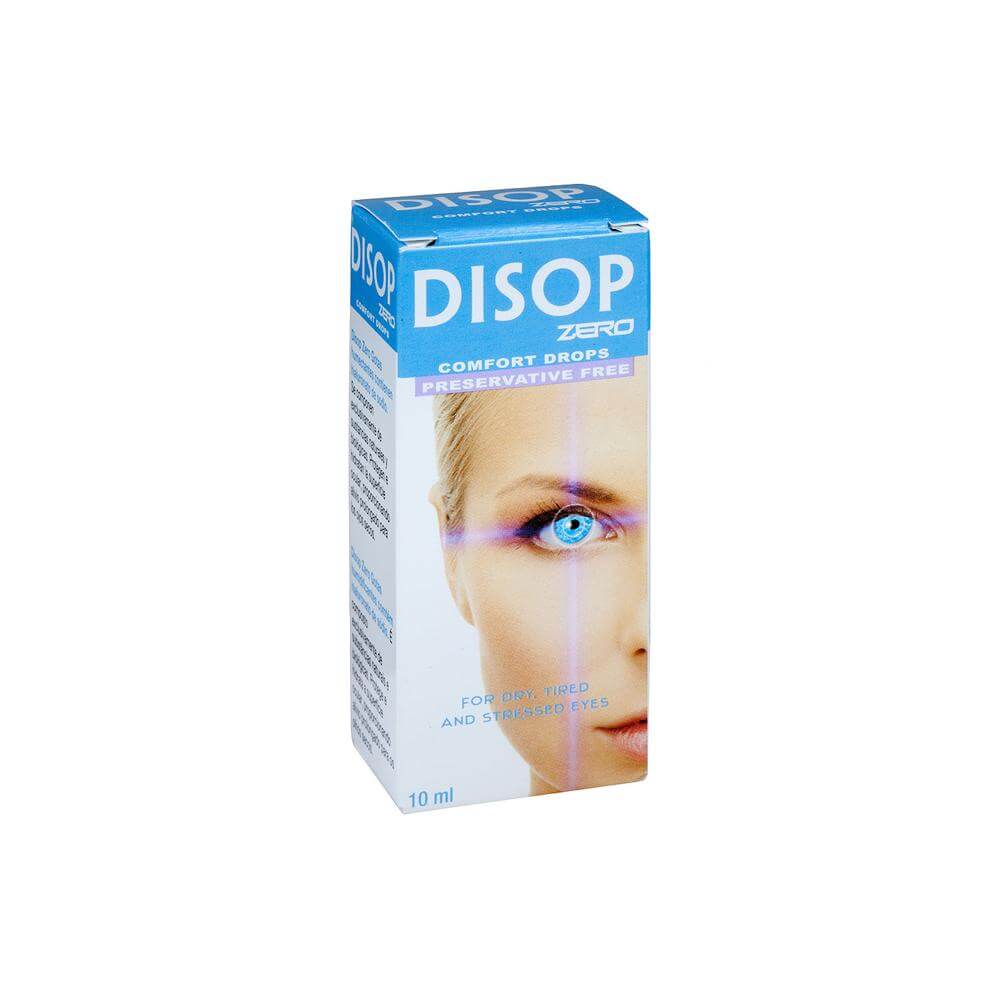 Vendor:Disop Zero - Moisturizing Eye Drops 10 ml.LUPER
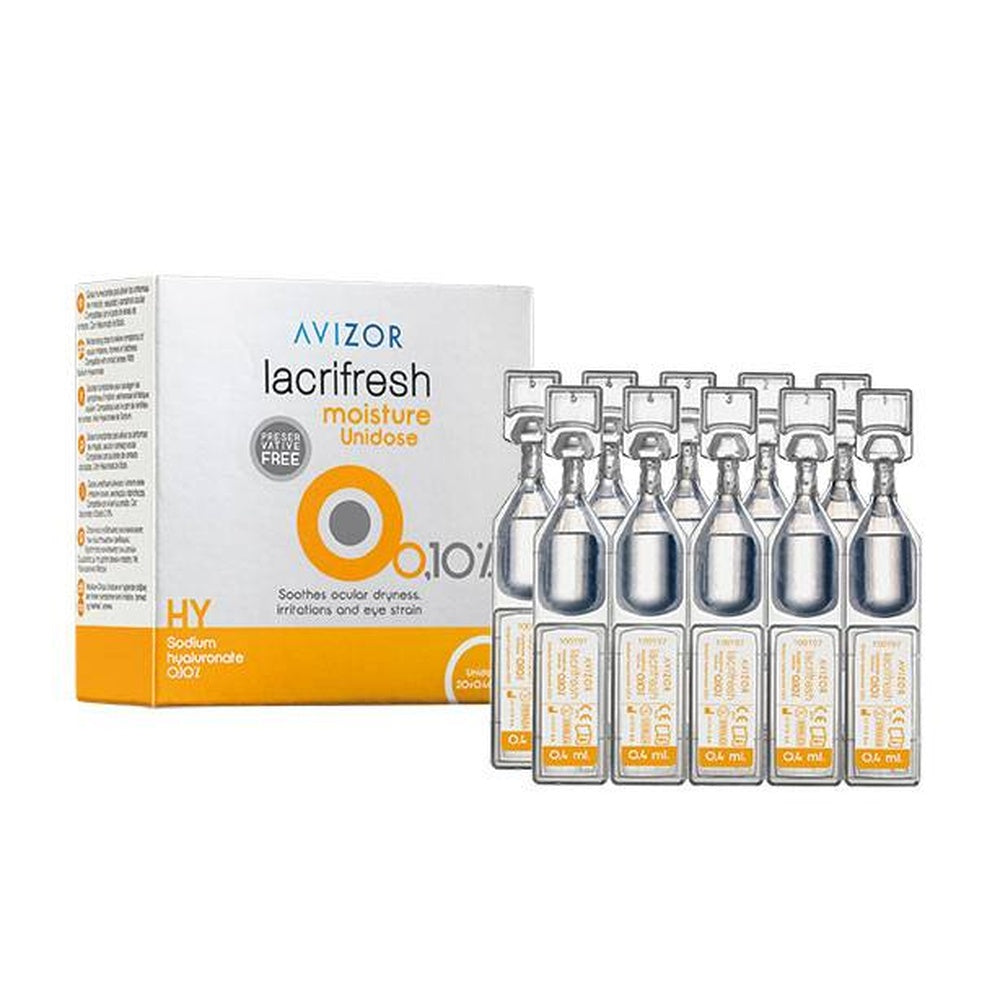 Vendor:Avizor Lacrifresh Moisture 0.10% - Eye Hydration (20 x 0.4 ml)LUPER
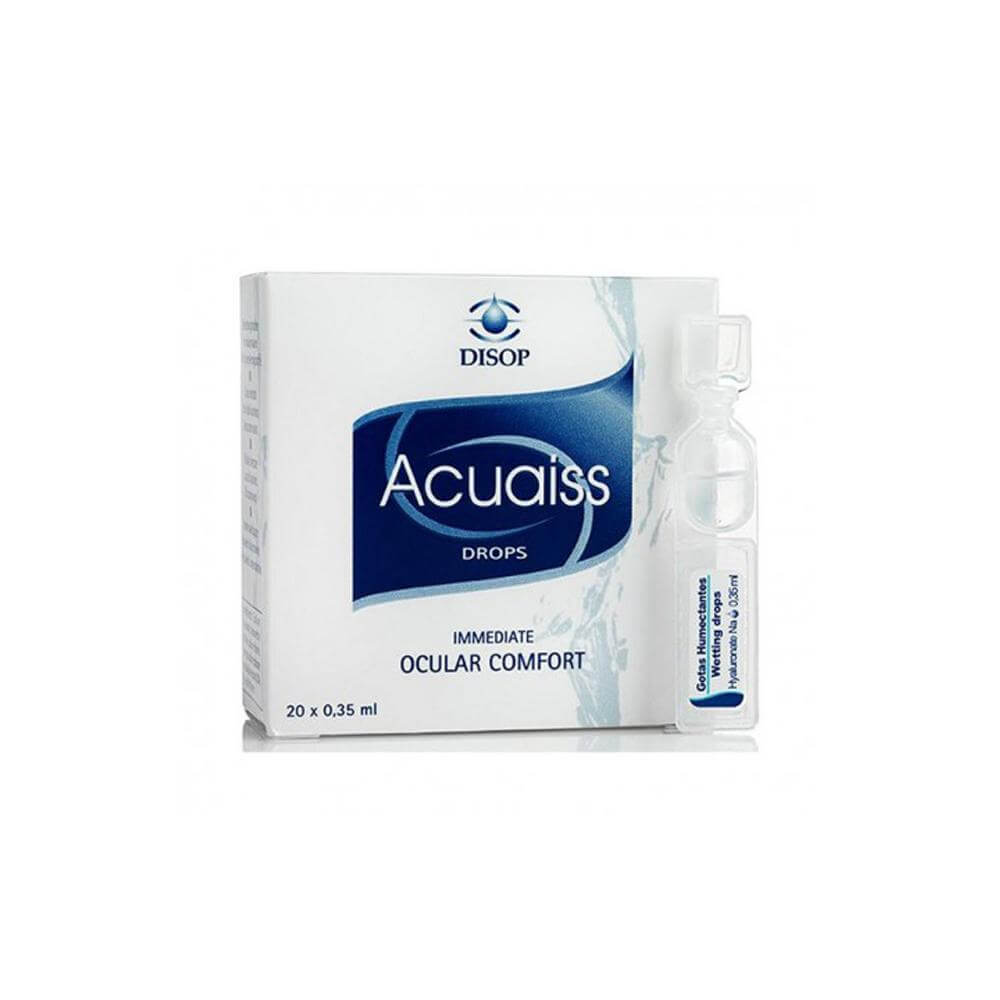 Vendor:Acuaiss single-dose 20 x 0.35 ml.LUPER
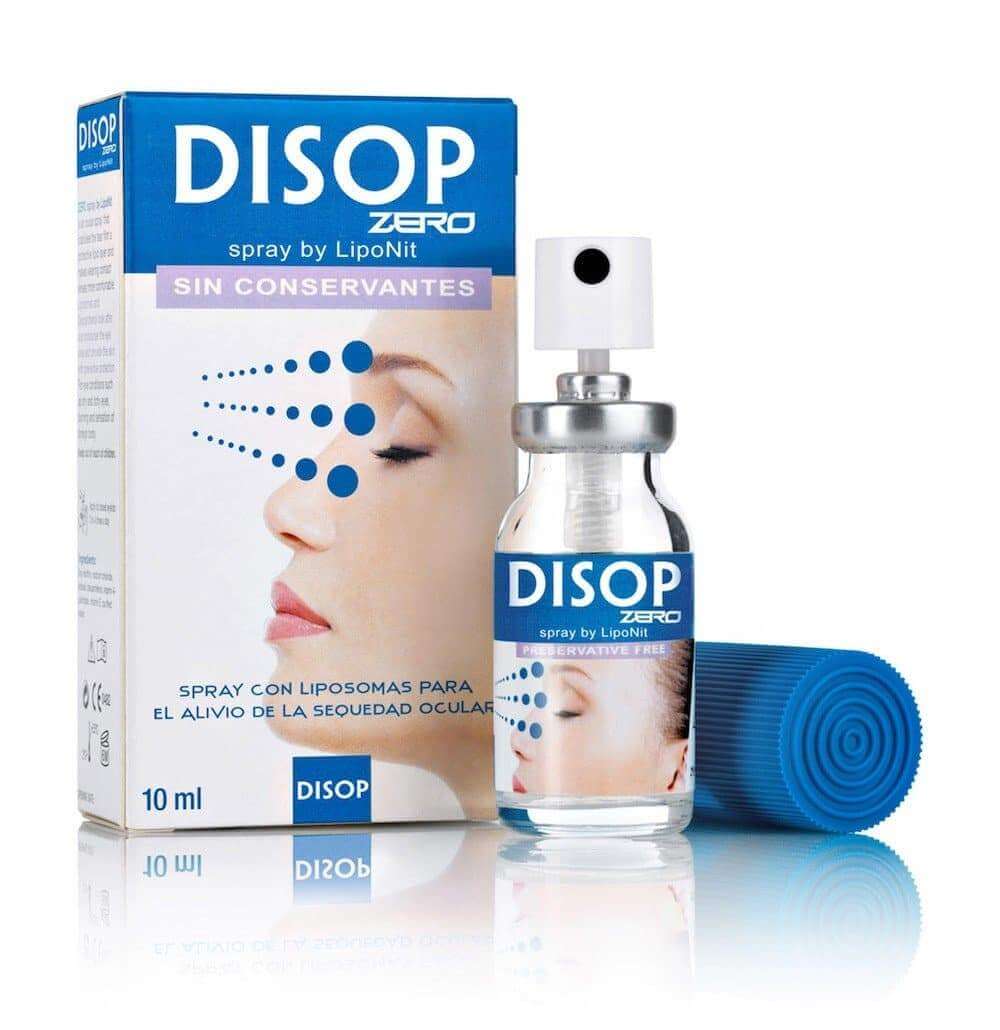 Vendor:Disop Zero Spray Drops 10ml. - Solution for dry eyesLUPER